
Risk Assessments
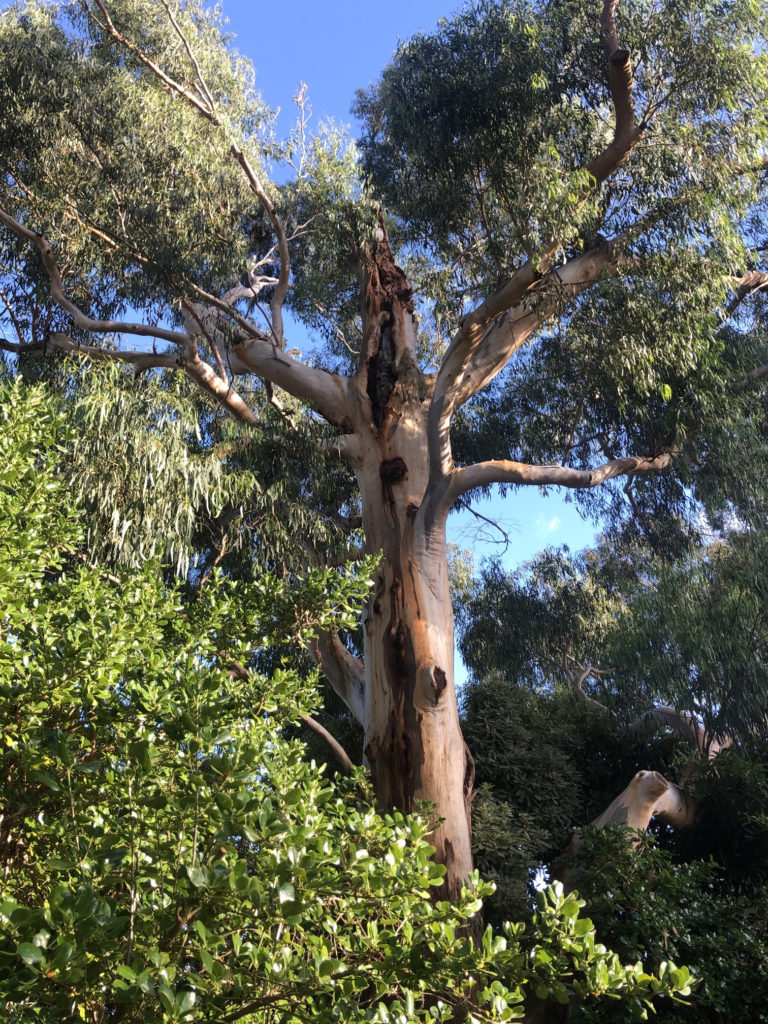
Tree risk assessment is the process of evaluating the potential risks associated with trees in order to identify hazards and take appropriate measures to mitigate them. It involves assessing the likelihood/probability and potential consequences of tree failures or structural weaknesses that could lead to property damage, personal injury, or other undesirable outcomes.
Our Arborists are trained and certified in two internationally recognised risk assessment methods:
• QTRA - Quantified Tree Risk Assessment;
• TRAQ - ISA: Tree Risk Assessment Qualification (Qualitative).
• QTRA - Quantified Tree Risk Assessment;
• TRAQ - ISA: Tree Risk Assessment Qualification (Qualitative).


Tree risk assessment is the process of evaluating the potential risks associated with trees in order to identify hazards and take appropriate measures to mitigate them. It involves assessing the likelihood/probability and potential consequences of tree failures or structural weaknesses that could lead to property damage, personal injury, or other undesirable outcomes. A tree only poses a risk when a target is present, so naturally, targets are identified first in site analysis:
This may include -
1
Site Analysis:
The surrounding site is also taken into consideration during tree risk assessment. Factors such as the tree’s proximity to structures, utility lines, high-traffic areas, or valuable assets are assessed. The arborist evaluates whether the tree poses a risk to these elements if it were to fail or drop branches.
2
Visual Inspection:
This involves closely examining the tree’s overall health, structure, and any signs of decay, disease, or damage. The arborist or tree professional looks for visible indicators such as deadwood, cracks, splits, cavities, leaning, or unstable branch attachments
3
Likelihood/Probability Assessment:
The likelihood/probability of a tree/part failure or hazardous event occurring is evaluated based on various factors. These include the tree’s overall health, structural integrity, species characteristics, site conditions (such as soil stability and drainage), prevailing weather patterns, and historical data on similar trees or incidents.
4
Consequence Evaluation:
The potential consequences of a tree failure are assessed, considering the potential impact on people, property, and the environment. This includes evaluating the severity of potential injuries, damage to structures or vehicles, disruption to utilities, or harm to nearby plants or habitats.
5
Risk Categorization:
By combining the likelihood/probability and consequence assessments, the tree’s risk rating is produced. This helps prioritize trees for management actions based on the severity of their risk and the potential impact on safety and property.
Risk Management:
Based on the risk assessment results, appropriate risk management
measures are recommended. These may include pruning dead or hazardous branches,
implementing structural support systems, adjusting tree maintenance practices, or in some
cases, tree removal if the risk is deemed too high to mitigate effectively.
7
Ongoing Monitoring:
Regular monitoring of trees is essential to identify any changes in their
condition or risks over time. Tree risk assessment should be part of a comprehensive tree
management program that includes routine inspections, maintenance, and follow-up
assessments to ensure ongoing safety and reduce potential risks.
By conducting tree risk assessments, arborists and tree professionals can proactively identify potential hazards, prioritize necessary actions, and implement measures to minimize risks associated with trees. This helps ensure the safety of people and property while promoting the long-term health and sustainability of urban and natural tree populations.
Want to have a chat?
Contact us